Why Do Dental Implants Fail? Here's What to Avoid

April 3, 2026
Share This Post

Dental implants are one of the most reliable ways to replace missing teeth, but they are not immune to complications. If you are considering implants or have already received them, understanding why do dental implants fail is the first step toward protecting your investment and your smile. The good news is that most causes of failure are preventable when you know what to look for and how to respond.

Top Reasons Why Do Dental Implants Fail

Implant failure can happen shortly after surgery or years down the line. Here are the most common factors that put your implants at risk:

  • Poor oral hygiene. Plaque and bacteria can build up around an implant just as they do around natural teeth. Without consistent brushing, flossing, and professional cleanings, infection can develop in the surrounding gum tissue and bone.
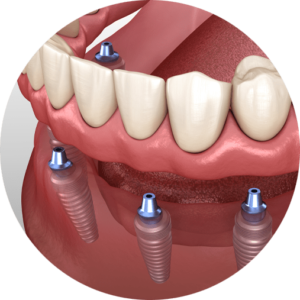
  • Peri-implantitis. This is a specific type of infection that targets the tissue around a dental implant. It causes inflammation, bone loss, and can eventually loosen the implant if left untreated.
  • Smoking and tobacco use. Tobacco restricts blood flow to the gums and jawbone, slowing the healing process after surgery and increasing the chance that the implant will not integrate properly.
  • Insufficient bone density. Implants need a strong foundation. If the jawbone is too thin or has deteriorated due to prolonged tooth loss, the implant may not have enough support to stay secure. Learn more about how bone loss affects implants and what can be done about it.
  • Medical conditions. Uncontrolled diabetes, autoimmune disorders, and certain medications can interfere with the body's ability to heal and bond with the implant.
  • Inexperienced placement. When implants are not positioned at the correct angle or depth, the risk of complications rises significantly.

Warning Signs to Watch For

Catching a problem early can mean the difference between a simple fix and a lost implant. Contact your dentist right away if you notice any of the following after your procedure:

  • Persistent pain or discomfort that does not improve over time
  • Swelling or redness in the gums around the implant
  • The implant feels loose or shifts when you chew
  • Receding gum tissue that exposes the metal post
  • A change in your bite or difficulty chewing

Early detection gives your dental team the best opportunity to intervene before the situation worsens.

How to Set Your Implants Up for Success

The best way to avoid asking why do dental implants fail is to take a proactive approach from the start. Choosing a provider who uses advanced implant technology such as 3D imaging, computer-guided placement, and digital smile design dramatically reduces the risk of complications.

According to a retrospective study published in the International Journal of Implant Dentistry, dental implants have a survival rate of roughly 96% over a 10-year observation period. That means the vast majority of patients enjoy lasting results, especially when they commit to proper aftercare.

Beyond choosing the right provider, here are habits that support long-term implant health:

  • Brush twice a day and floss daily, paying special attention to the area around the implant
  • Attend regular dental checkups and professional cleanings
  • Quit smoking before and after surgery
  • Follow all post-operative care instructions provided by your dental team
  • Report any unusual symptoms immediately rather than waiting

Take Control of Your Implant Journey

Understanding why do dental implants fail empowers you to make smarter choices about your care. At New Smile Now in Chico, CA, Dr. Kevin Kremer and his team use over two decades of experience and state-of-the-art technology to give every patient the strongest possible foundation for lasting results. If you are ready to explore your implant options or have concerns about an existing implant, contact us today to schedule your consultation.

chevron-down