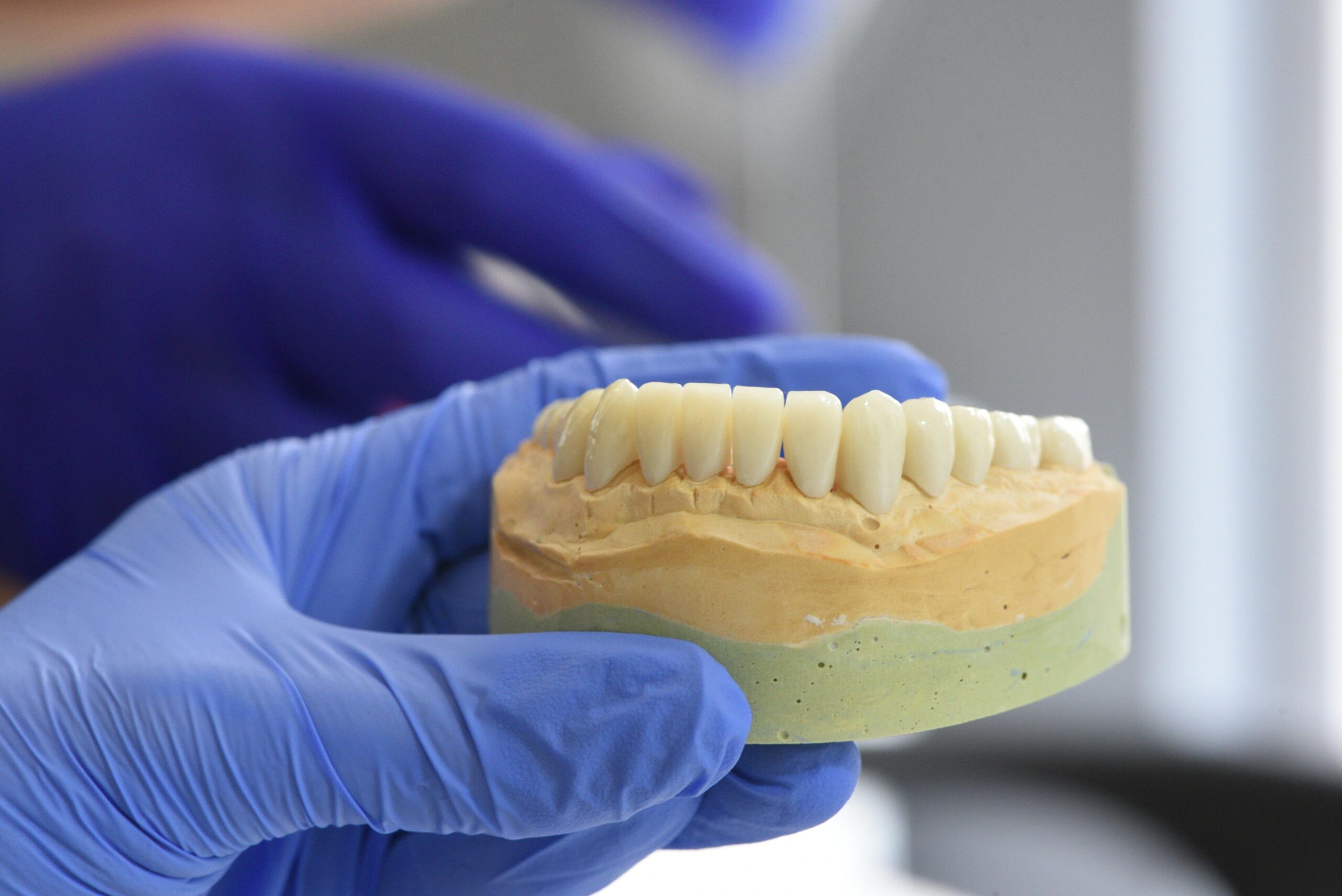
If you are exploring options for replacing missing teeth, you have likely come across terms that sound technical and unfamiliar. One of the most important is bridge abutment. Understanding what a bridge abutment is and how it functions helps you make more informed decisions about your dental care and whether a bridge or implant-supported restoration is the right fit for your situation.
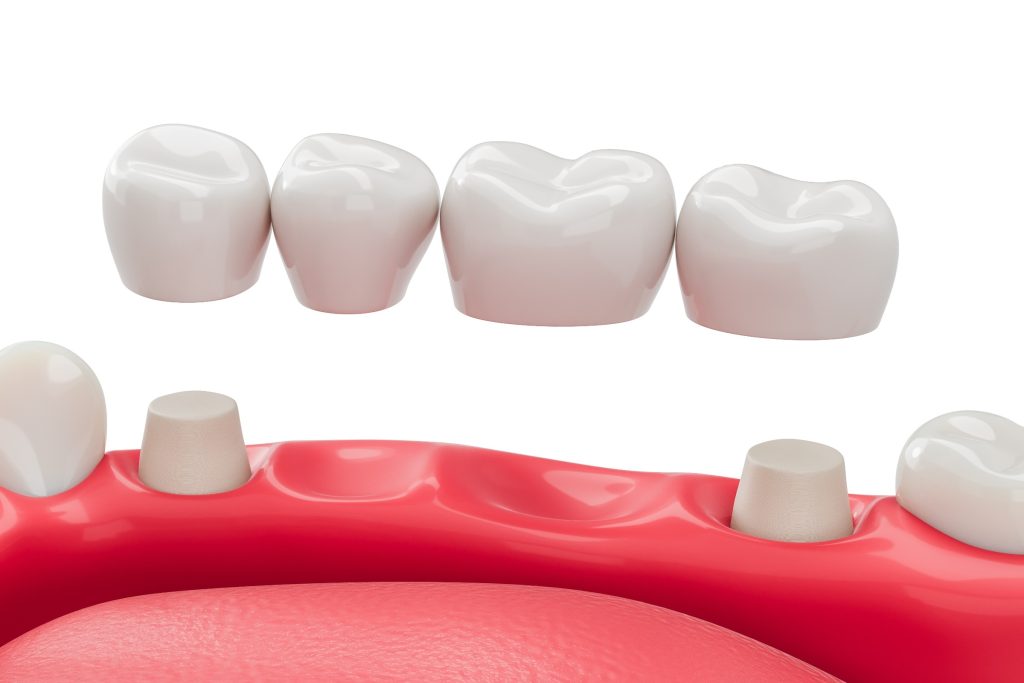
In dentistry, a bridge is a fixed restoration that fills the gap left by one or more missing teeth. It is anchored in place by the teeth or implants on either side of the gap. Those anchor points are called abutments.
This component provides the structural foundation for the entire restoration. The artificial tooth in the middle, called a pontic, is suspended between the two abutments and held securely in place by the dental cement or connection hardware that attaches everything together.
Abutments can be:
The choice between natural tooth abutments and implant abutments has significant implications for long-term oral health, bone preservation, and the durability of the restoration.
When natural teeth serve as abutments, healthy tooth structure must be permanently removed so those teeth can be fitted with crowns. This is a one-way process. Once those teeth are shaped down, they require crowns for life and become more vulnerable over time.
Implant-supported bridges avoid that tradeoff entirely. Because the abutment is an implant rather than a natural tooth, neighboring healthy teeth are left completely intact. The implant also stimulates the jawbone the way a natural root does, helping prevent the bone loss that typically follows tooth loss.
According to the American Academy of Implant Dentistry, dental implants have a long-term success rate of over 95 percent, making them one of the most reliable foundations available for both single crowns and multi-tooth bridges.
When an implant serves as the bridge abutment, the process unfolds in stages. First, the implant post is placed surgically into the jawbone. Over the following months, the implant integrates with the surrounding bone through a process called osseointegration. Once that healing is complete, the abutment connector piece is attached to the implant, and the final bridge is secured on top.
At New Smile Now, advanced implant technology is used throughout this process to plan placement with precision and reduce treatment time wherever possible.
Whether a bridge with natural tooth abutments or an implant-supported bridge is the better choice depends on factors like your bone density, the health of adjacent teeth, and how many teeth are missing. A thorough evaluation is the only way to know which option suits your specific anatomy and long-term goals.
Patients who are not ready for a bridge may also want to explore single dental implants or full-mouth options like All-on-X, depending on the extent of their tooth loss.
Understanding what a bridge abutment is gives you a better starting point for any conversation about tooth replacement. The team at New Smile Now is here to walk you through every option clearly and help you decide what is right for your smile.
Contact us today to schedule your consultation and take the first step toward a lasting, confident smile.