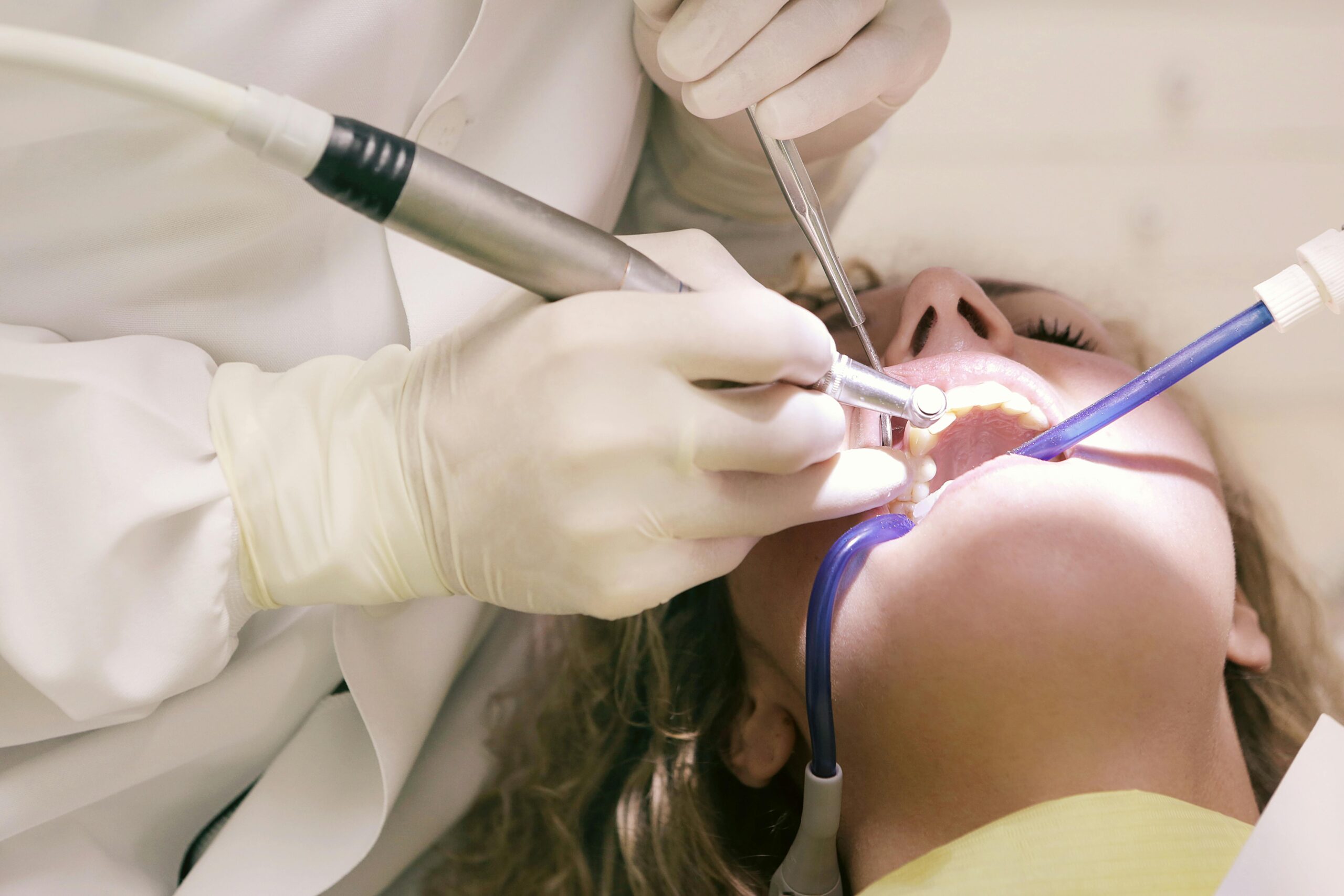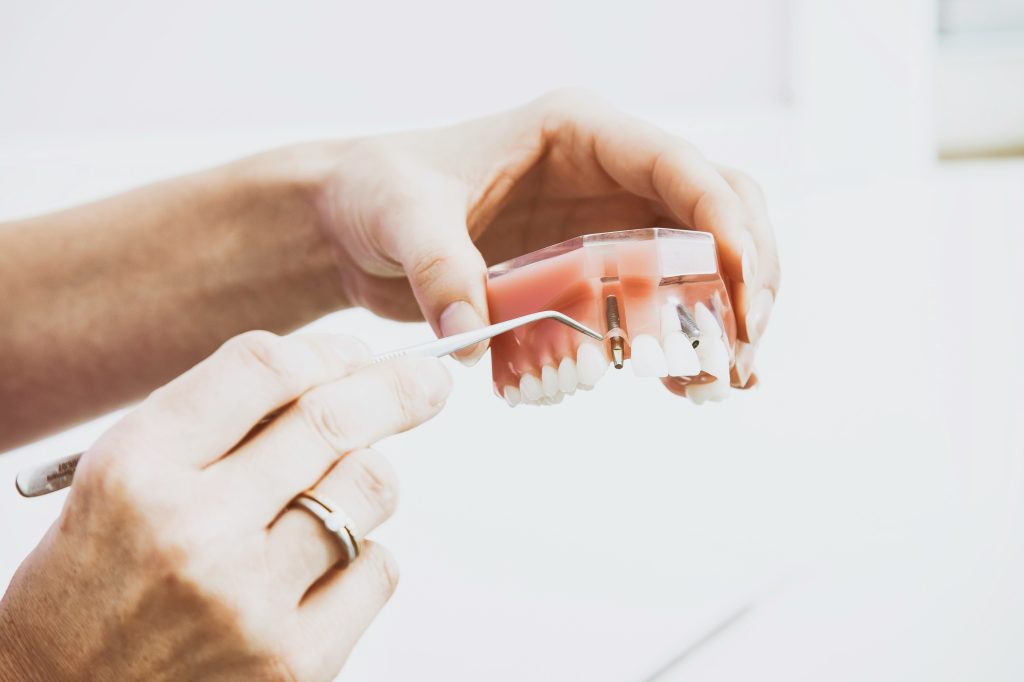
Dental implants are a transformative solution for missing teeth, restoring both function and aesthetics. But what happens after the procedure? Understanding the dental implant recovery process is essential to ensure a smooth healing journey and long-term success. Whether you're getting a single implant or opting for full-mouth restoration, knowing what to expect during recovery will help you feel confident and prepared.
Dental implant recovery refers to the healing period following the surgical placement of dental implants. During this time, the implant integrates with the jawbone in a process called osseointegration, creating a strong and stable foundation for your new teeth. This phase is crucial for ensuring the long-term success of your implant treatment.
Recovery time can vary depending on the individual, the number of implants placed, and whether additional procedures (like bone grafting or sinus lifts) were performed. Always consult your provider for detailed instructions, as your procedure may require more stringent protocols than those included below. Here’s a general timeline to guide you:
To ensure a comfortable and successful healing process, follow these tips:
Your dental provider will give you detailed aftercare guidelines. Follow them closely to avoid complications and promote healing.
Keep your mouth clean to prevent infection. Use a soft-bristled toothbrush, avoid vigorous rinsing, and consider using an antimicrobial mouthwash as recommended.
During the initial stages of dental implant recovery, avoid hard, crunchy, or sticky foods that could irritate the surgical site. Great options include yogurt, mashed potatoes, smoothies, and scrambled eggs.
Both can interfere with healing and increase the risk of implant failure. Avoid them during your recovery period.
Give your body the time and energy it needs to heal. Get plenty of sleep and drink water throughout the day.
While most patients experience minimal issues, it's important to be aware of potential warning signs during dental implant recovery:
If you notice any of these symptoms, contact your dental provider right away.
At New Smile Now in Chico, CA, we’re committed to making your dental implant recovery as smooth and successful as possible. Dr. Kevin Kremer and our experienced implant team use state-of-the-art technology—including CBCT scans, digital smile design, and computer-guided placement—to minimize discomfort and ensure precise results.
We provide thorough post-operative care instructions and personalized support throughout the recovery process. Whether you're undergoing All-on-X full mouth implants, single-tooth implants, or Teeth in a Day, our goal is to help you heal confidently and enjoy a beautiful, functional smile that lasts.
Dental implants are an investment in your health, confidence, and quality of life. By understanding the dental implant recovery process and following your care team’s advice, you’ll be well on your way to achieving the lasting results you deserve.
If you're considering dental implants or want to learn more about what to expect after treatment, contact New Smile Now in Chico, CA today. We're here to guide you through every step of the journey—from consultation to complete recovery.
Recovery varies by patient and procedure. Minor swelling and discomfort usually improve within the first week, while full osseointegration—the process of the implant fusing with the jawbone—can take 3–6 months. Your final crown or denture is placed after this healing period.
Stick to soft foods like yogurt, mashed potatoes, smoothies, and scrambled eggs during the first few days to avoid disturbing the surgical site. Avoid hard, sticky, or crunchy foods until your dentist confirms it’s safe to resume your normal diet.
Contact your dental provider immediately if you experience excessive bleeding, severe pain that doesn’t improve with medication, swelling or pus, fever, or implant mobility. Early intervention helps prevent more serious problems.
Follow your provider’s post-op instructions closely, maintain excellent oral hygiene, avoid smoking and alcohol, rest adequately, and stay hydrated. Regular follow-up appointments allow your dentist to monitor healing and address any concerns.