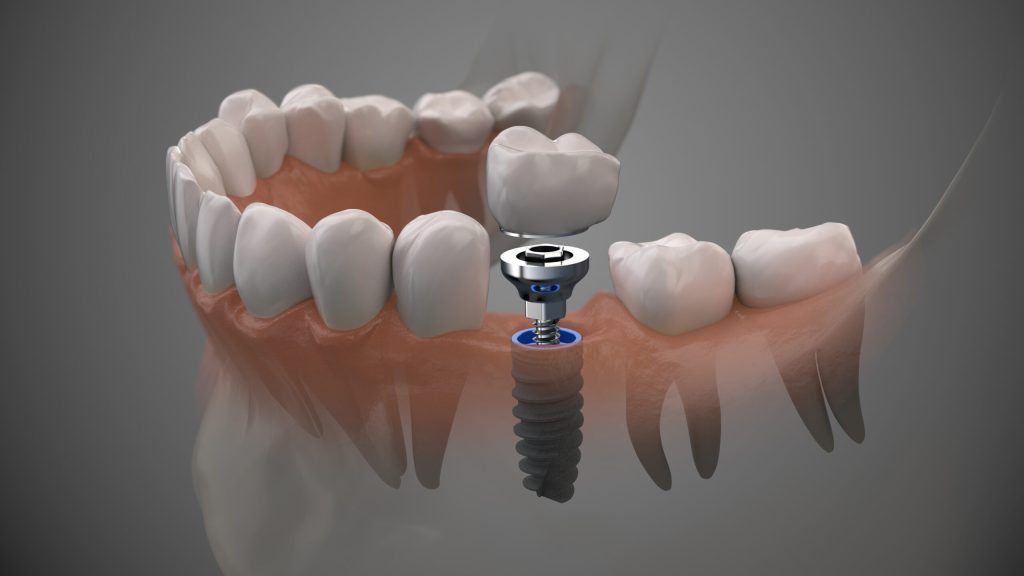
Dental implants have revolutionized modern dentistry, providing a durable and natural-looking solution for missing teeth. But a common question many patients ask is, when is it too late to get dental implants? Some people worry that age, bone loss, or underlying health conditions could prevent them from receiving implants. The good news is that, in most cases, there is no definitive "too late" when it comes to dental implants. With advancements in technology and treatment options, even those who have been missing teeth for years may still be candidates for this life-changing procedure.
In this article, we’ll explore the factors that determine dental implant eligibility, including age, bone loss, and overall health, so you can make an informed decision about restoring your smile.
One of the biggest misconceptions about dental implants is that they are only for younger individuals. In reality, there is no upper age limit for dental implants. Many patients in their 60s, 70s, and even 80s successfully receive implants and experience significant improvements in their quality of life.
As long as a patient is in generally good health and has sufficient bone to support the implant, age is not a barrier. In fact, older adults often benefit the most from dental implants because they restore functionality, making it easier to eat, speak, and smile confidently. If you’re wondering when is it too late to get dental implants, rest assured that age alone is rarely a determining factor.
While there is no upper age limit, dental implants are typically not recommended for patients under the age of 18. This is because their jawbones are still developing, and placing implants too early could lead to complications as the bone structure continues to change.
Bone loss is one of the most common concerns for patients considering implants. When a tooth is lost and not replaced, the jawbone in that area begins to deteriorate due to lack of stimulation. Over time, significant bone loss can make implant placement more challenging.
However, bone loss does not necessarily mean it’s too late for implants. Modern dental advancements, such as bone grafting and specialized implant techniques, can help rebuild the jawbone and provide a strong foundation for implants.
If bone loss is a concern, there are several treatment options available:
If you’ve been missing teeth for years and are wondering when is it too late to get dental implants, a consultation with a dental implant specialist can determine whether these options are right for you.
While age and bone loss are not automatic disqualifiers, certain health conditions can impact implant success. When is it too late to get dental implants? In some cases, it may depend on your overall health and how well your conditions are managed.
Even if you have one of these conditions, you may still be a candidate for implants. The key is working closely with your dentist to manage any risk factors before treatment.
Many people assume that if they have gone without teeth for a long time, they have missed their window of opportunity for implants. However, this is not always the case.
If you have been without teeth for several years, bone loss is likely, but as discussed earlier, there are several ways to rebuild the bone or work around it. When is it too late to get dental implants? The answer is that in most cases, it’s never too late!
Additionally, leaving missing teeth untreated can lead to other complications, such as:
Getting dental implants, even after years without teeth, can help restore function and prevent further oral health issues.
The best way to determine if it’s too late for dental implants is to schedule a consultation with an experienced implant dentist. They will evaluate your oral health, bone density, and overall medical history to recommend the best treatment options.
At New Smile Now, we use advanced imaging technology, such as 3D cone beam scans, to assess bone levels and plan your implant placement with precision. If you have concerns about when is it too late to get dental implants, this consultation will provide clarity and help you explore your options.
So, when is it too late to get dental implants? In most cases, it’s never too late. While factors like bone loss and certain health conditions can impact treatment, modern solutions make implants a viable option for many patients—regardless of age or how long they have been missing teeth.
If you’ve been considering dental implants but have hesitated due to concerns about eligibility, now is the time to take action. Schedule a consultation with New Smile Now to explore your options and take the first step toward restoring your smile and confidence. You can also find us on the web!
No, there is no upper age limit for dental implants. Patients in their 60s, 70s, and even 80s can successfully receive implants as long as they are in generally good health and have sufficient bone to support the implant.
Yes, implants are generally not recommended for patients under 18 because their jawbones are still developing, which could affect the success of the implant.
Yes. Modern treatments such as bone grafting, sinus lifts, zygomatic implants, and All-on-4 techniques can help rebuild or work around bone loss to support dental implants.
Certain conditions like uncontrolled diabetes, osteoporosis, gum disease, or smoking may affect implant success. However, with proper management and treatment, most patients with these conditions can still receive implants.