Getting dental implants is a life-changing decision that can restore your smile and confidence. While tooth implant side effects are generally mild and temporary, understanding what to expect helps you prepare for a smooth recovery. Most patients experience excellent outcomes, but being informed about potential complications and how to minimize them ensures the best possible results from your implant surgery.
The most frequent side effects occur immediately after surgery and typically resolve within a few days to weeks:
Swelling and Bruising Facial swelling around the implant site is normal and usually peaks 48-72 hours after surgery. Cold compresses applied for 15-20 minutes at a time can significantly reduce swelling.
Pain and Discomfort Most patients experience mild to moderate pain that responds well to prescribed or over-the-counter pain medications. This discomfort typically decreases each day following surgery.
Bleeding Minor bleeding from the surgical site is expected for the first 24-48 hours. Gentle pressure with clean gauze helps control bleeding effectively.
While less common, some complications can develop weeks or months after surgery:
Infection Research shows that infection occurs in approximately 15.3% of dental implant cases PubMed Central, making it one of the most significant concerns. Signs include persistent pain, swelling, fever, and discharge around the implant site.
Implant Failure When an implant doesn't properly integrate with the jawbone, it may become loose or need removal. Studies indicate implant failure rates typically range from 2-8% depending on various factors.
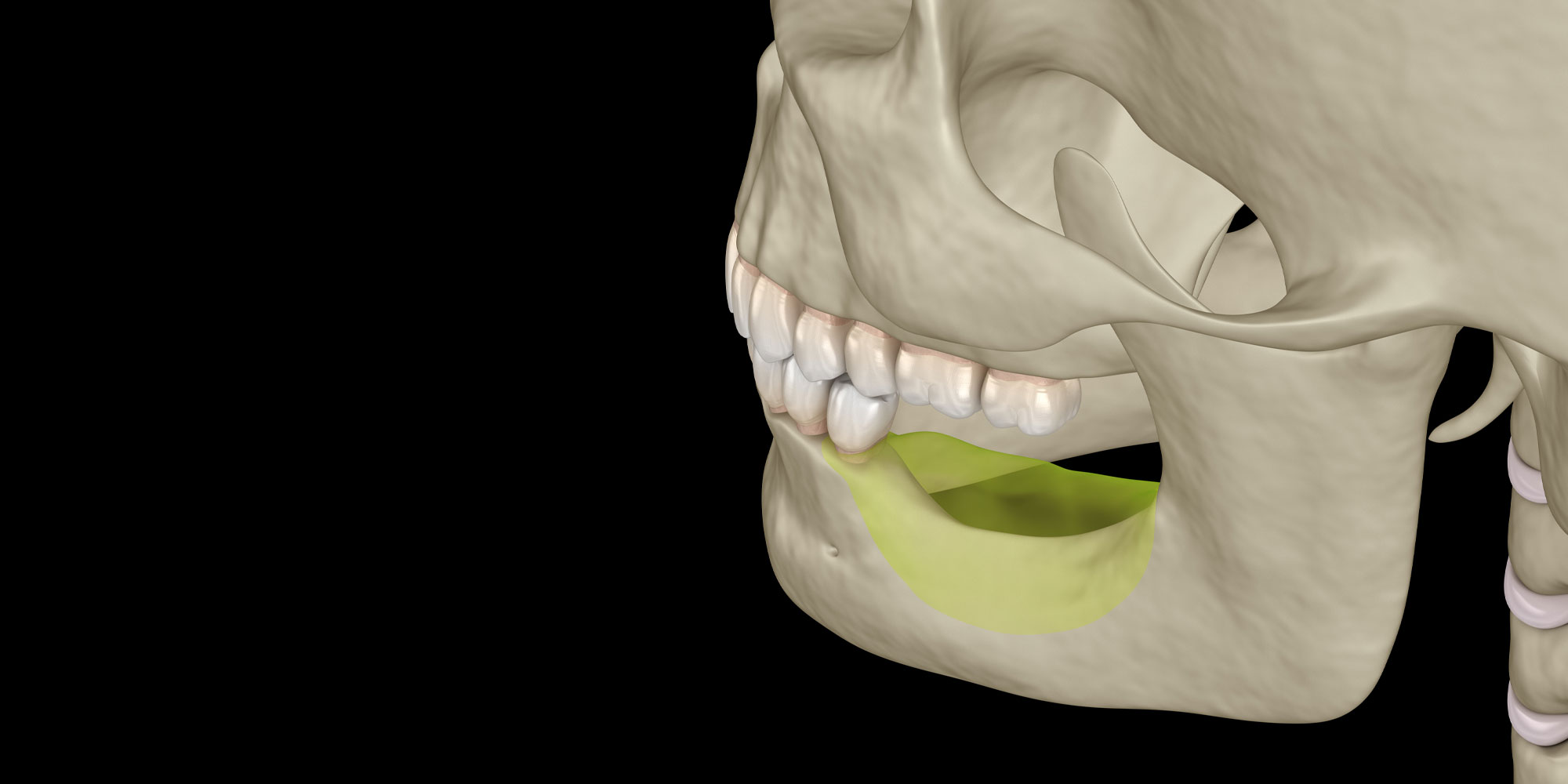
Nerve Damage Though rare, nerve damage can cause numbness or tingling in the lip, chin, or tongue. This complication is more likely with lower jaw implants placed near major nerves.
Several factors can influence your likelihood of experiencing complications:
Choose an experienced implant specialist who uses advanced technology. At New Smile Now, Dr. Kevin Kremer employs computer-guided surgery and 3D imaging to ensure precise placement and reduce complications.
Complete any necessary pre-surgical treatments like gum disease therapy or bone grafting. Stop smoking at least two weeks before surgery to improve healing.
Follow all post-operative instructions carefully. Take prescribed medications as directed and maintain gentle oral hygiene around the surgical site.
Eat soft foods for the first few days and avoid hot liquids, alcohol, and strenuous activity. Attend all follow-up appointments to monitor healing progress.
Regular dental checkups and professional cleanings help prevent peri-implantitis and other complications. Practice excellent daily oral hygiene with appropriate tools for cleaning around implants.
While some discomfort is normal, certain symptoms require immediate attention:
At New Smile Now, we prioritize patient safety and comfort throughout the entire implant process. Our advanced implant technologies and experienced team help minimize complications while maximizing your chances of successful treatment.
Dr. Kremer's expertise with over 20 years of implant dentistry, combined with our state-of-the-art facility, ensures you receive the highest standard of care. We provide comprehensive pre-surgical planning, precise surgical techniques, and thorough post-operative support.
Understanding potential side effects empowers you to make informed decisions about your oral health. While complications can occur, proper planning, expert execution, and diligent aftercare dramatically reduce risks and improve outcomes.
Don't let fear of potential complications prevent you from enjoying the life-changing benefits of dental implants. Our experienced team at New Smile Now is dedicated to providing safe, comfortable, and successful implant treatment. Contact us today to schedule your consultation and learn how we minimize risks while maximizing your implant success.