Many patients wonder "is a dental bridge permanent" when considering tooth replacement options. While dental bridges are considered a long-term solution, they aren't truly permanent like dental implants. Understanding the realistic lifespan of bridges and the factors that affect their durability helps you make informed decisions about your oral health and plan for future dental care needs.
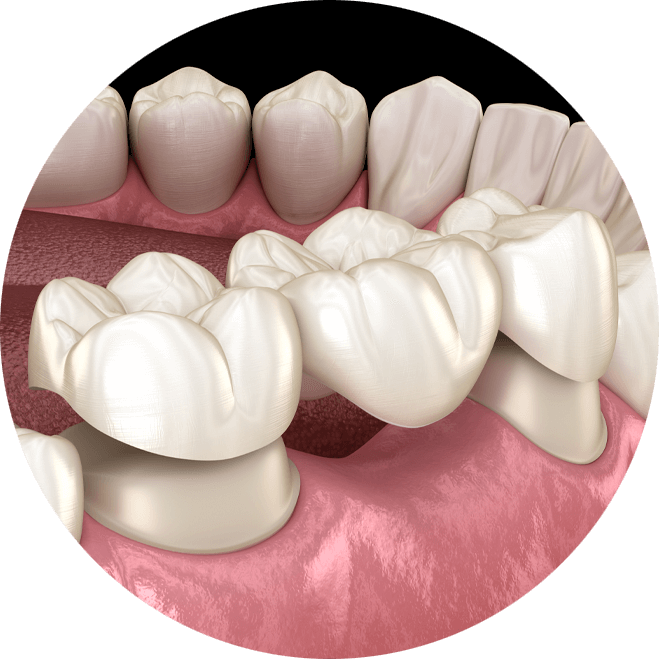
The question "is a dental bridge permanent" has a nuanced answer. Dental bridges are fixed prosthetic devices that cannot be removed at home, making them feel permanent compared to removable dentures. However, they typically require replacement after 10-15 years, unlike dental implants which can last a lifetime with proper care.
Bridges are cemented onto your existing teeth or implants, providing stability and function similar to natural teeth. This fixed nature allows you to eat, speak, and smile confidently without worrying about your restoration shifting or falling out during daily activities.
According to the Cleveland Clinic, dental bridges can last at least five to seven years, and by practicing good oral hygiene and visiting your dental professional for regular visits, it could last over 10 years Colgate. Many patients enjoy their bridges for 15-20 years or even longer with exceptional care.
Several factors determine whether your bridge reaches the shorter or longer end of this spectrum:
Higher-quality materials significantly extend bridge lifespan:
Excellent daily care is crucial for bridge longevity. Poor hygiene leads to decay in supporting teeth, gum disease, and eventual bridge failure. Clean under your bridge daily using floss threaders or water flossers to remove trapped food and bacteria.
Your dietary choices directly affect bridge durability. Hard, sticky, or excessively chewy foods can damage the restoration. Additionally, habits like teeth grinding, nail biting, or using teeth as tools can significantly shorten bridge lifespan.
The health of teeth supporting your bridge determines its stability. Decay, fractures, or gum disease in these abutment teeth can compromise the entire restoration, requiring premature replacement.
Regular dental checkups allow early detection of problems before they become serious. Professional cleanings remove plaque buildup that daily care might miss, while examinations assess bridge fit and supporting tissue health.
To extend your bridge's lifespan:
Even well-maintained bridges eventually show signs of wear. Watch for loosening, persistent discomfort, changes in bite, or visible damage. Early intervention can sometimes extend bridge life through repairs rather than complete replacement.
At New Smile Now, Dr. Kevin Kremer's decades of restorative experience ensure your bridge is expertly crafted and positioned for maximum longevity. Our advanced dental technologies and comprehensive approach help patients achieve optimal outcomes with their restorative treatments.
We also specialize in dental implants, which offer a more permanent solution for missing teeth. Our same-day teeth procedures can provide immediate restoration while ensuring long-term success.
While the question "is a dental bridge permanent" has a complex answer, understanding realistic expectations helps you make confident decisions about tooth replacement. Whether you choose a traditional bridge or explore more permanent implant solutions, proper planning and expert care ensure the best possible outcomes.
Don't let missing teeth compromise your quality of life any longer. Contact New Smile Now today to discuss your tooth replacement options and discover which solution offers the durability and function you need for years of confident smiling.