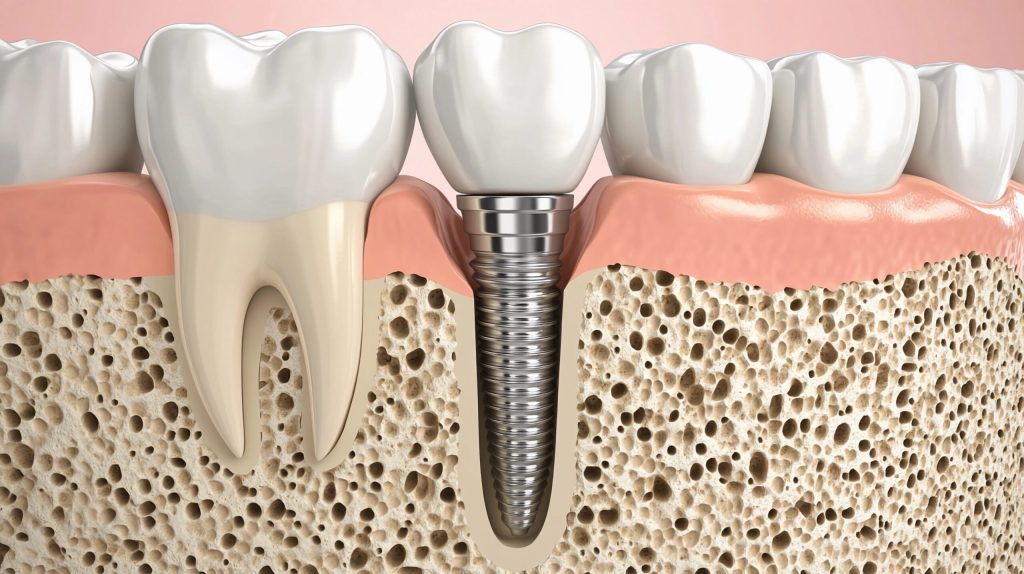
If you’re missing one or more teeth, you may be considering dental implants as a long-term solution. Dental implants offer a natural-looking, durable alternative to traditional dentures or bridges, restoring both function and aesthetics. But not everyone is an ideal candidate for dental implants. Understanding the requirements, benefits, and considerations can help determine if this life-changing treatment is right for you.
Dental implants are artificial tooth roots made of biocompatible titanium that are surgically placed into the jawbone. Over time, the implant fuses with the bone in a process called osseointegration, providing a stable foundation for a crown, bridge, or denture. Because they mimic the structure of natural teeth, dental implants offer superior comfort, function, and longevity compared to other tooth replacement options.
While dental implants are a highly effective solution for tooth loss, they require specific conditions for long-term success. You may be a candidate for dental implants if you meet the following criteria:
Whether you’ve lost a single tooth, multiple teeth, or need a full-mouth restoration, dental implants provide a reliable, natural-looking solution. They help restore function and prevent further oral health issues caused by missing teeth.
A strong jawbone is essential for supporting the implant. If bone loss has occurred due to missing teeth, a bone grafting procedure may be required before implant placement.
Healthy gums are crucial for successful healing and integration of dental implants. Conditions like periodontal disease must be treated before undergoing implant surgery.
Since dental implants require minor surgery, candidates should be in good general health. Chronic conditions like uncontrolled diabetes or autoimmune disorders may affect healing and increase the risk of complications. A consultation with your dentist and medical provider can determine if implants are safe for you.
Smoking significantly increases the risk of implant failure by slowing down healing and increasing the chances of infection. If you smoke, your dentist may recommend quitting before and after implant surgery to improve success rates.
Dental implants are a permanent tooth replacement option, designed to last a lifetime with proper care. If you want a durable, natural-feeling alternative to dentures or bridges, implants are an excellent choice.
While most people can receive dental implants with proper preparation, certain conditions may pose challenges:
The best way to determine your eligibility is to schedule a professional evaluation with a dental implant specialist.
If you are a candidate for dental implants, here’s what the treatment process typically involves:
Your dentist will perform a thorough exam, including digital X-rays or a CT scan, to assess bone density and overall oral health.
The titanium implant is surgically inserted into the jawbone under local anesthesia or sedation. Healing time varies, but most patients require three to six months for full integration.
Once the implant has fused with the bone, an abutment is placed, followed by a custom crown, bridge, or denture. The final restoration is designed to match the color, shape, and function of natural teeth.
Long-term studies have shown that dental implants have a success rate ranging from 93% to 98% over a 5-year period. With proper care, they can last a lifetime, making them one of the most effective solutions for tooth replacement.
If you’re wondering whether you’re a candidate for dental implants, the best way to find out is by schaeduling a consultation with an experienced implant specialist. At New Smile Now, we provide comprehensive evaluations and personalized treatment plans to help you achieve a strong, confident smile.
Contact New Smile Now today to take the first step toward restoring your smile with dental implants!