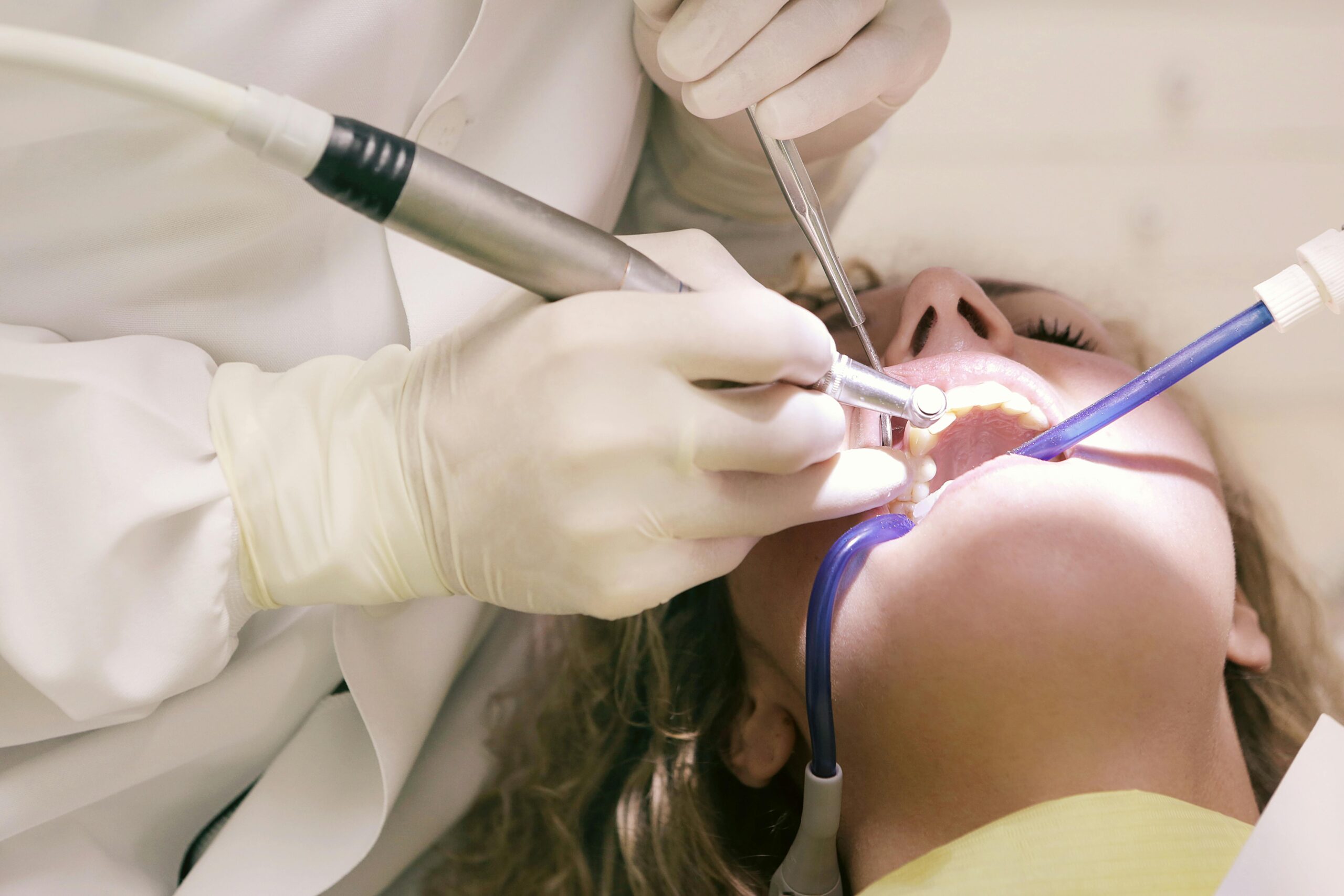
Bone grafting plays an important role in modern restorative dentistry, especially for patients who want long-lasting and stable tooth replacement options. When the jawbone has weakened or thinned over time, it needs support before treatments like implants can be placed successfully. Bone grafting provides that support by rebuilding strength, restoring structure, and creating the foundation needed for dependable results.
At New Smile Now, we help patients restore the strength and stability of their jawbone through precise bone grafting procedures. By rebuilding weakened areas, we create a healthy foundation that supports implants and maintains proper facial structure.
To understand the question, “What is bone grafting for teeth?”, think of it as rebuilding weakened parts of the jaw. The dentist places graft material in areas where bone has thinned or collapsed. Over several months, the graft fuses with your natural bone, creating a stronger and healthier foundation.
Bone grafting is commonly recommended when a patient has lived with missing teeth for some time, when the jawbone has shrunk after extraction, or whenever the bone is not dense enough to support dental implants. The goal is stability, durability, and readiness for long-term restorative work.
The jawbone depends on regular pressure from chewing to stay healthy. When teeth are missing, the bone no longer receives this stimulation.
This leads to:
Bone grafting for teeth reverses these changes by restoring bone height, width, and density. It strengthens the jaw so implants can be placed safely and securely.
Bone grafting for teeth may be recommended in several situations:
Implants require strong bone to anchor properly. If the bone is too soft or too thin, grafting rebuilds the area so implants can be placed successfully.
A graft can be placed immediately into the empty socket to preserve the bone shape and prevent future collapse. This is known as socket preservation.
Advanced periodontal disease can damage the bone around teeth. Bone grafting helps rebuild support and stabilize the area.
Too little bone can cause dentures to feel loose or unstable. A graft creates a stronger base for removable or implant-supported options.
Long-term bone loss can change facial structure, creating a sunken appearance. Bone grafting restores lost volume for a healthier, more youthful look.
Different graft types are used depending on the patient’s needs:
Placed immediately after an extraction to maintain bone height and shape.
Used when significant bone has been lost over time.
Adds bone beneath the sinus in the upper jaw so implants can be placed safely.
Rebuilds bone lost due to gum disease.
At New Smile Now, advanced imaging helps us determine exactly where and how much bone is needed.
What to Expect During the Procedure
When exploring what is bone grafting for teeth, it’s helpful to know that the procedure is actually quite simple. After numbing the area, the dentist places graft material into the weakened section of the jawbone, sometimes adding a protective membrane before gently closing the site to heal.
Most patients experience mild soreness for a few days and can return to normal activity quickly. Over the next several months, the graft integrates with the natural bone and creates a strong foundation for implants or other treatments.
Understanding what is bone grafting for teeth makes it clear why this treatment is so important for long-term oral health. Bone grafting allows you to:
Without bone grafting, many implant treatments would not be possible.
If you’ve been researching “What is bone grafting for teeth?” and want a treatment plan that actually restores strength, stability, and confidence, our team is here to guide you. At New Smile Now, our team specializes in advanced bone grafting and implant dentistry designed to restore both function and confidence.
Ready to explore your options? Schedule a consultation with New Smile Now and learn how bone grafting for teeth can strengthen your jaw and transform your smile.