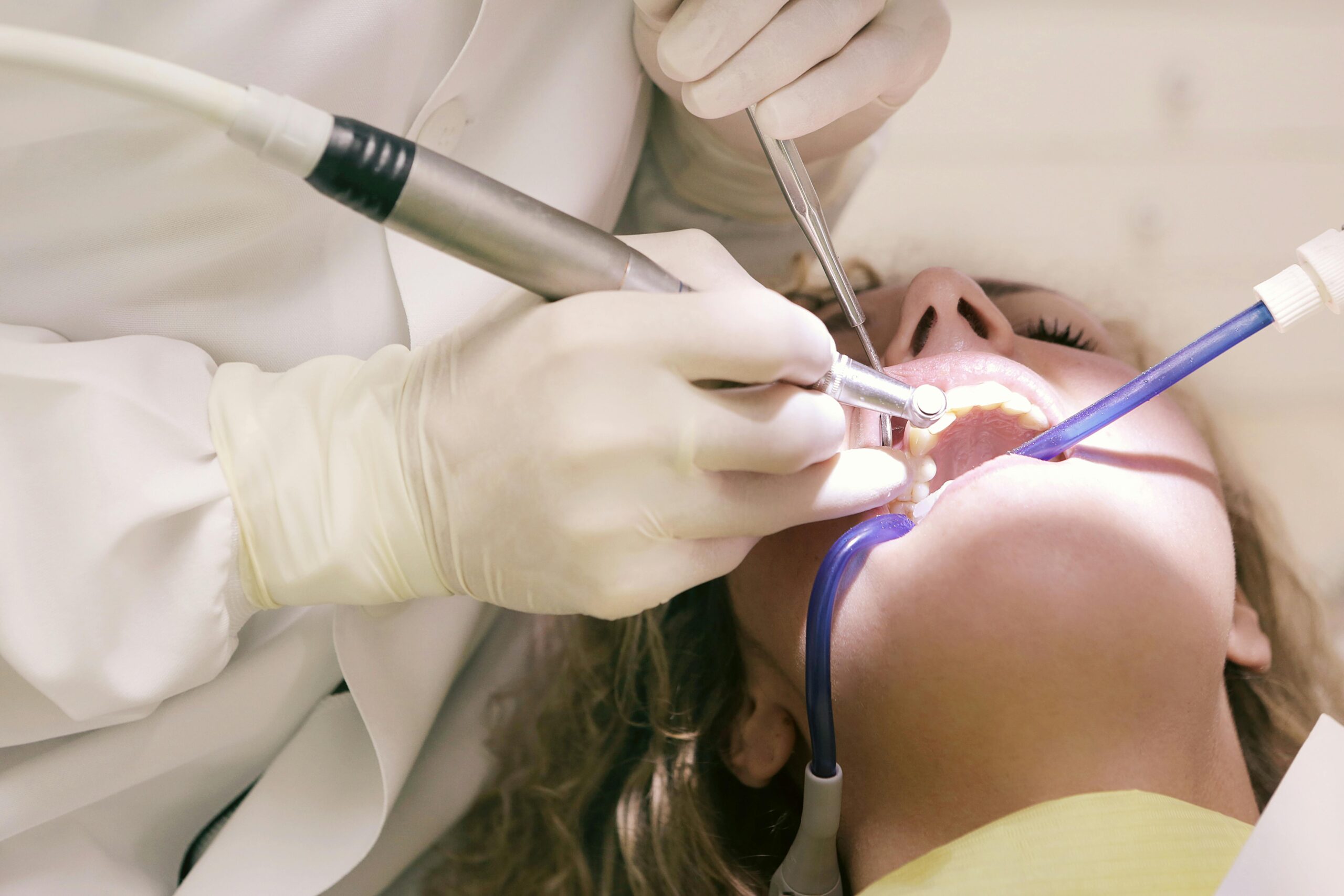
Denture stabilization is a life-changing solution for individuals struggling with loose or uncomfortable dentures. At New Smile Now, we understand how frustrating it can be when dentures slip, shift, or make eating and speaking difficult. Denture stabilization offers a secure, comfortable alternative, and dental implants play a crucial role in this process.
Denture stabilization refers to the process of anchoring dentures to the jaw using dental implants. Unlike traditional dentures that rest on the gums, stabilized dentures are attached to implants, providing a firm and reliable fit. According to the American Dental Association, dental implants have a success rate of up to 98%, making them a trusted option.
How Dental Implants Improve Denture Stabilization
Dental implants are small titanium posts surgically placed into the jawbone. These implants act as artificial tooth roots, creating a stable foundation for dentures. The National Institutes of Health reports that implant-supported dentures significantly improve chewing efficiency and patient satisfaction compared to traditional dentures.
There are several effective options for denture stabilization, including bar-retained and ball-retained (locator) implant systems. These solutions involve placing a few dental implants into the jawbone, which serve as secure anchor points for the denture. With bar-retained systems, a thin metal bar is attached to the implants, and the denture clips onto the bar, offering strong, even support. Ball-retained systems, also known as locator attachments, use a ball-and-socket mechanism where the denture snaps directly onto the implant posts for a snug, stable fit.
The best choice depends on your unique needs, jawbone density, lifestyle, and long-term oral health goals. During your consultation, your dentist will evaluate your current dentures, examine your gums and bone structure, and walk you through your options to ensure a secure, comfortable fit that restores both function and confidence. Learn more about dentures vs. implants at New Smile Now.
Our experienced team will evaluate your oral health and recommend the most suitable stabilization method. The process typically involves placing dental implants, allowing time for healing, and then attaching your custom dentures. With advanced technology, many patients can enjoy improved stability in just a few visits.
If you are tired of dealing with loose dentures or want to improve your quality of life, denture stabilization may be the answer. At New Smile Now, we are dedicated to helping you regain your confidence and enjoy a secure, comfortable smile.
Ready to experience the benefits of denture stabilization? Contact us today to schedule your consultation and discover how dental implants can help!
Denture stabilization is the process of securing dentures with dental implants. Unlike traditional dentures that rest on the gums, stabilized dentures are anchored to implants, offering a firm, comfortable, and reliable fit.
Dental implants act like artificial tooth roots, creating a stable foundation for dentures. This prevents slipping while eating or speaking, improves comfort, and helps preserve jawbone health.
Stabilized dentures provide enhanced stability, reduced gum irritation, better chewing ability, and improved confidence. They also help maintain jawbone structure by stimulating the bone.
Common options include bar-retained and ball-retained (locator) systems. Both use implants as anchor points but differ in attachment style. Your dentist will recommend the best option based on your bone density and oral health needs.
If you currently wear dentures and struggle with discomfort, slippage, or difficulty eating, you may be a candidate. A consultation with your dentist can confirm if implants are right for your situation.