Many people think missing teeth only affects the appearance of their smile, but the impact reaches much deeper. You may not realize it, but the question, “Can missing teeth cause digestive problems?” is one many patients should consider sooner rather than later. The truth is, yes, tooth loss can significantly interfere with how your body digests food, and the effects can become more serious over time if the problem is not addressed.
At New Smile Now, we help patients understand how oral health and overall health are closely connected. If you are missing one or more teeth, here is what you should know about how it affects digestion and what you can do to restore proper function.
To understand the question, “Can missing teeth cause digestive problems?” it is helpful to start with the basics of digestion. Digestion begins in the mouth, not in the stomach. When you chew food, your teeth break it down into smaller pieces, and your saliva begins the chemical process of digestion. This prepares food for your stomach and intestines to absorb nutrients properly.
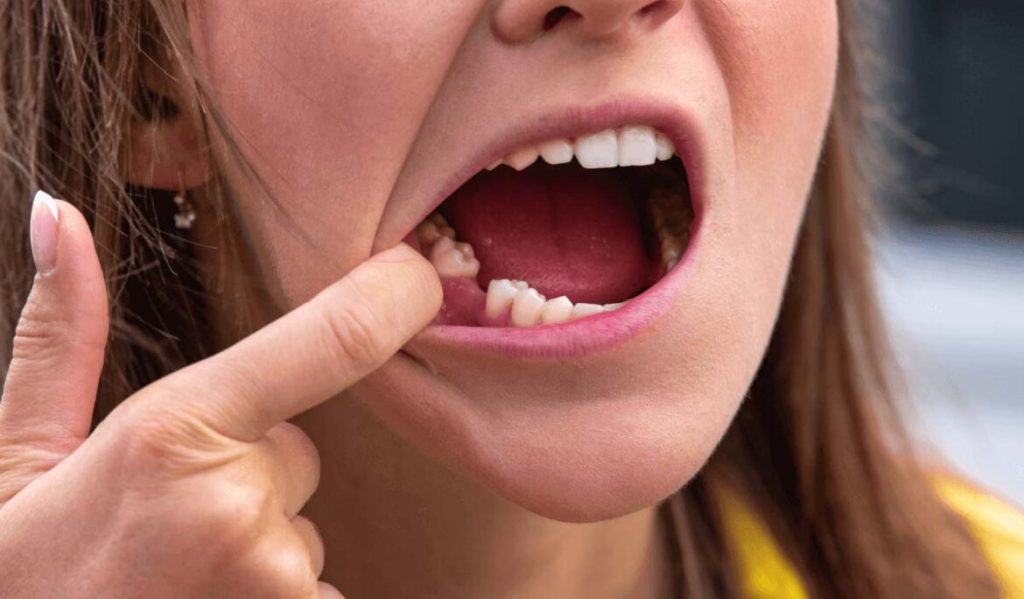
When teeth are missing, this process does not work as intended. You may swallow larger pieces of food, chew less effectively, or avoid certain healthy foods altogether. Over time, these changes can strain your digestive system.
If you cannot chew properly, food enters your stomach in larger chunks. This makes digestion slower and less efficient. The stomach must work harder to break down the food, which can lead to discomfort and digestive stress.
Patients often report:
These symptoms become more common the longer someone lives with missing teeth.
Another way the question of missing teeth causes digestive problems becomes relevant is through dietary changes. Many healthy foods require strong chewing, such as vegetables, nuts, lean meats, and whole grains. When chewing becomes painful or difficult, patients naturally avoid these foods.
This can lead to:
A poor diet directly affects digestive health and overall wellness.
When a few teeth are missing, the remaining teeth must take on more pressure. This can cause wear and tear, tooth fracture, or gum irritation. As teeth weaken, chewing becomes even less effective, creating a cycle that affects both oral and digestive health.
Improper chewing can slow digestion, which may contribute to acid reflux. If food stays in the stomach longer than it should, acid levels can rise. Some patients experience heartburn or regurgitation more frequently after losing teeth.
The question “can missing teeth cause digestive problems?” is not just about short-term symptoms. Over time, poor chewing and nutritional deficiencies can contribute to more serious issues such as:
Your teeth play a much bigger role in your digestive system than most people realize.
The good news is that restoring missing teeth does more than improve your smile. It helps your body digest food properly and keeps your digestive system functioning smoothly.
Here are the most effective solutions:
Dental implants are the closest replacement to natural teeth. They allow you to chew with full strength and enjoy a complete diet. Implants also help preserve jawbone health, which is essential for long-term oral function.
For patients missing several teeth, implant-supported options provide stability and comfort. Unlike traditional dentures that may shift while chewing, implant-supported restorations stay firmly in place.
If most or all teeth are missing, full arch implant solutions such as All on 4 give patients a strong, stable, and natural-looking set of teeth. These options restore chewing efficiency and significantly improve digestive comfort.
When to Seek Treatment
If you have noticed digestive changes and also have missing teeth, it is important to discuss both issues with your dentist. Answering the question “Can missing teeth cause digestive problems?” early can prevent long-term complications.
You should consider treatment if you are experiencing:
Replacing missing teeth restores balance, improves digestion, and helps you enjoy a healthier lifestyle.
Now that you know the answer, the next step is addressing the issue with a long-term solution. At New Smile Now, we specialize in advanced dental implant treatments that restore full chewing strength and help support total body wellness.
If you are ready to improve your oral health, digestion, and confidence, schedule your consultation with New Smile Now today. Let us help you take the next step toward a complete and healthy smile.